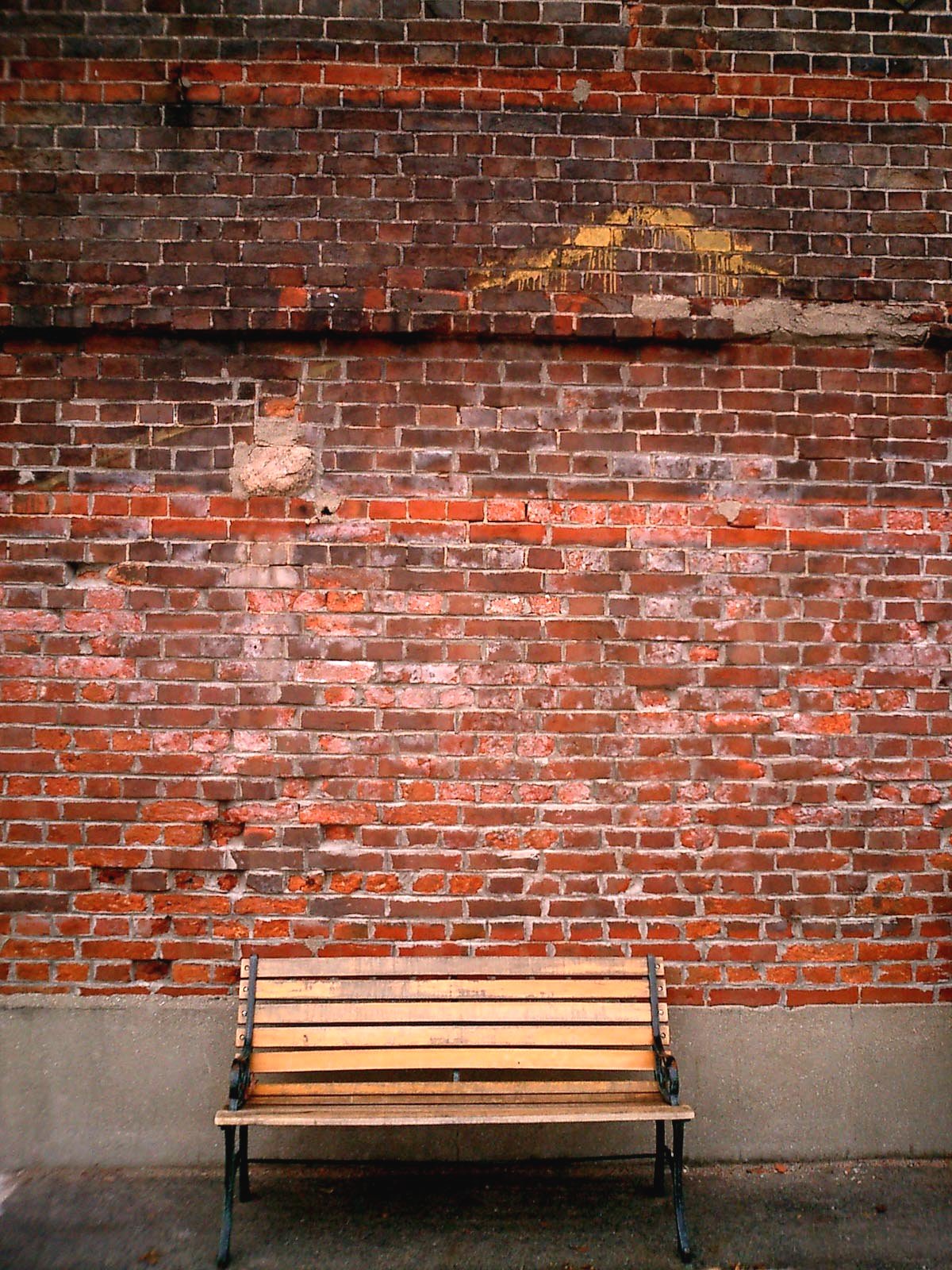
Where Reclaimed Brick Comes From
The bulk of the reclaimed brick available in Canadian markets comes from demolitions of late-19th and early-20th century commercial and industrial buildings in cities like Toronto, Montreal, Vancouver, and Hamilton. These structures were built with solid clay brick, typically in 3-inch or 2.5-inch nominal thicknesses, that remains structurally sound after 80–120 years if it has not been subjected to sustained moisture damage or chemical exposure.
Demolition contractors sell salvage material to brick yards, which sort, clean, and resell it. The price premium over new brick reflects the cleaning labour and the character of aged patina, not the material itself — reclaimed brick is a lower-grade structural product than a new brick with a known factory specification.
Grading Reclaimed Brick
There is no single national standard for reclaimed brick grading in Canada, but salvage yards generally apply a practical three-category framework:
- Grade A (Structural): No visible spalling, chips, or cracks. Mortar joints clean or cleanable. Suitable for exterior structural applications, chimneys, and exposed load-bearing walls. Typically the smallest fraction of a demolition lot — 25–40% depending on how the original building was demolished and weathered.
- Grade B (Decorative Exterior): Minor surface chips and colour variation. Structurally intact but with surface irregularities that make it inappropriate for precision courses or high-visibility architectural work. Used for garden walls, feature walls, and secondary exterior surfaces.
- Grade C (Interior Only): Spalling, face damage, or hairline fractures. Not suitable for weather-exposed applications or any load-bearing purpose. Common use is interior accent walls, fireplace surrounds, and landscaping features.
When purchasing from a salvage yard, ask which grade is included in the quoted lot. Ungraded mixed lots — often sold at lower cost per brick — can contain a significant proportion of Grade C material that will require sorting on-site.
Cleaning Methods
Reclaimed brick almost always arrives with mortar residue from the original construction. The cleaning method used has a substantial effect on the final surface condition.
Hand Chipping
Manual removal of mortar with a brick hammer and cold chisel is slow but preserves the face of the brick. It is the standard method for heritage bricks where the aged surface finish is part of the value. Expect cleaned brick from this method to retain slight mortar traces in texture depressions — this is normal and does not affect performance.
Tumbling
Some yards pass brick through a rotating drum to knock off loose mortar and round sharp edges. This accelerates cleaning but introduces additional corner chipping. Tumbled brick has a more uniformly aged, rounded appearance, which is appropriate for certain decorative uses but results in slightly larger mortar joint requirements in installation.
Chemical Stripping
Dilute muriatic acid (hydrochloric acid) is used in some operations to dissolve calcium-based mortar residue. If improperly applied or not thoroughly neutralized, acid treatment can damage the brick face and leave surface efflorescence. When purchasing cleaned brick, ask whether acid was used and if the product was neutralized and rinsed following cleaning.
Code Considerations for Structural Reuse
The National Building Code of Canada (NBC) addresses the reuse of salvaged masonry units under its material specification provisions. The relevant requirement is that structural masonry units — those contributing to a building's lateral or vertical load path — must meet the compressive strength requirements of CSA A82, which governs fired masonry units.
Reclaimed brick from pre-1950 construction typically has compressive strengths in the range of 15–35 MPa, compared to 20–35 MPa for modern common brick. This means many reclaimed units meet structural requirements, but without test data for the specific lot, an engineer cannot certify the material for a structural application. For structural reuse, either testing of representative samples from the lot or limiting use to non-structural applications is the standard approach.
For decorative and non-structural uses — interior accent walls, garden features, fireplace surrounds, and paving — code compliance is less restrictive and graded reclaimed brick is straightforward to specify.
Sourcing Reclaimed Brick in Canada
The largest concentrations of reclaimed brick supply are in the Greater Toronto Area, the Montreal urban region, and the Lower Mainland of British Columbia. Prairie cities have smaller salvage yards, and availability is more subject to demolition activity in any given year.
The Building Materials Reuse Association maintains directories of salvage material dealers that include Canadian members. Provincial heritage conservation offices occasionally maintain lists of materials salvaged from heritage building demolitions that are offered for sale or transfer before disposal.
For projects in regions with limited salvage supply, brick dealers sometimes carry imported reclaimed brick from the UK and the Netherlands, where large demolition inventories are well-graded and documented. The freight cost typically makes this comparable in price to new premium facing brick in Canada.
Key Takeaways
- Confirm the grade of the lot before purchase; ungraded mixed lots require on-site sorting.
- Ask about the cleaning method — acid-cleaned brick should have been properly neutralized.
- Structural applications require either compressive strength testing or restriction to non-load-bearing uses unless the material is known to meet CSA A82.
- Factor a 10–15% wastage allowance into quantity estimates for reclaimed brick due to breakage and rejection during installation.
Last updated: May 14, 2026